
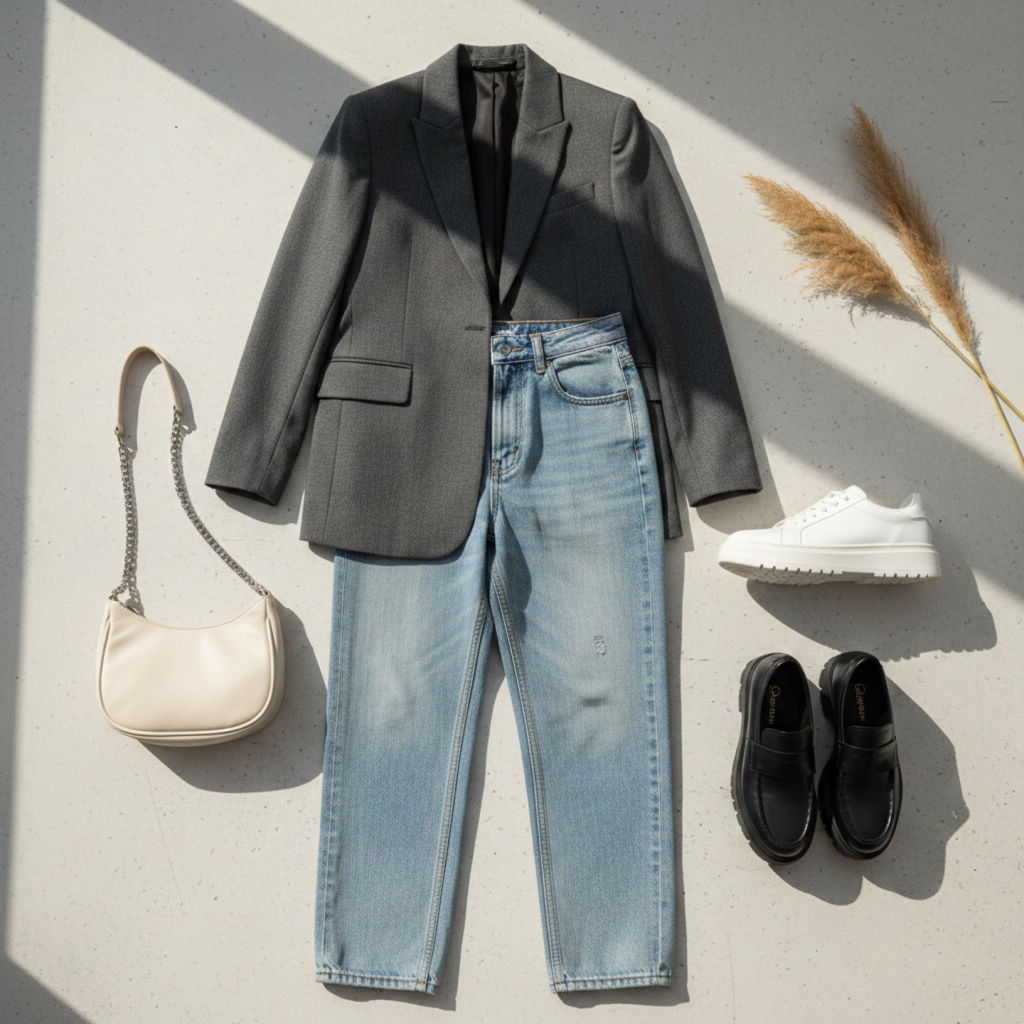
If you’ve ever stood in front of a completely full wardrobe and thought, “I have nothing to wear,” congratulations, you are extremely qualified to be here.
Gen Z trends move fast, but your mornings don’t have to feel like a scrolling session you can’t escape. An outfit planner is basically a calm, organised version of your For You Page, only for your actual clothes, not imaginary carts.
In this guide, we’ll walk through:
- What Gen Z is actually wearing right now (beyond “vibe”)
- Where they shop (and how they discover new pieces)
- How to use an outfit planner to stay on trend without turning your room into a returns depot
TL;DR: The Gen Z Outfit Equation
If you only skim (we see you between TikToks), here’s the short version:
- Gen Z style = micro-aesthetics, not one big trend. Think rotating moods: Y2K today, quiet luxury tomorrow, thrifted grandpa core on Sunday.
- Discovery happens online, but outfits are built from what you already own. The scroll inspires, but the closet has to keep up.
- Without a system, you overbuy and still feel outfit-poor. That’s where an outfit planner changes everything.
With a good planner like Outfint, you can:
- Make more outfits from fewer pieces
- Actually wear the fun items you buy
- See gaps before you shop
- Align with trends without needing a new haul every month
Outfint app takes the wardrobe you already own and turns it into far more wearable combinations.
If you want a practical starting point, explore the Outfint outfit planner app and browse more wardrobe planning guides.
What Is Gen Z Wearing Now?
Gen Z style is less “this season’s trend” and more “this week’s aesthetic.” Comfort, nostalgia, and personal storytelling sit at the centre.
1. Oversized & Relaxed Silhouettes
The unofficial Gen Z uniform:
- Oversized blazers
- Baggy jeans
- Wide-leg trousers
- Boxy tees
The formula: structure meets slouch. A sharp blazer with a baggy jean, or a fitted tank with parachute pants. It’s put-together and like you could fall asleep in it after brunch.
2. Y2K Revival
The early 2000s never really left, they just got a better camera.
- Low-rise jeans
- Baby tees
- Mini shoulder bags
- Cargo pants
It’s playful, messy on purpose, and proudly un-minimal. Matching isn’t the goal; looking like the main character in a 2004 music video kind of is.
3. Quiet Luxury & Minimal Basics
On the other end of the spectrum: “I look expensive, but you can’t tell why.”
- Neutral tones (beige, grey, black, cream)
- Simple tailoring
- Structured coats
- Minimal accessories
Think capsule wardrobe, but upgraded. Fewer pieces, better fit, and nothing with a massive logo shouting at you.
4. Vintage & Thrifted Pieces
Sustainability isn’t just a buzzword here; it’s baked into the aesthetic.
- Thrift-store blazers
- Vintage denim
- One-of-one knitwear
- Old band tees and merch
The mix is the magic: a thrifted jacket over high-street jeans, or a vintage bag with a clean, minimal outfit.
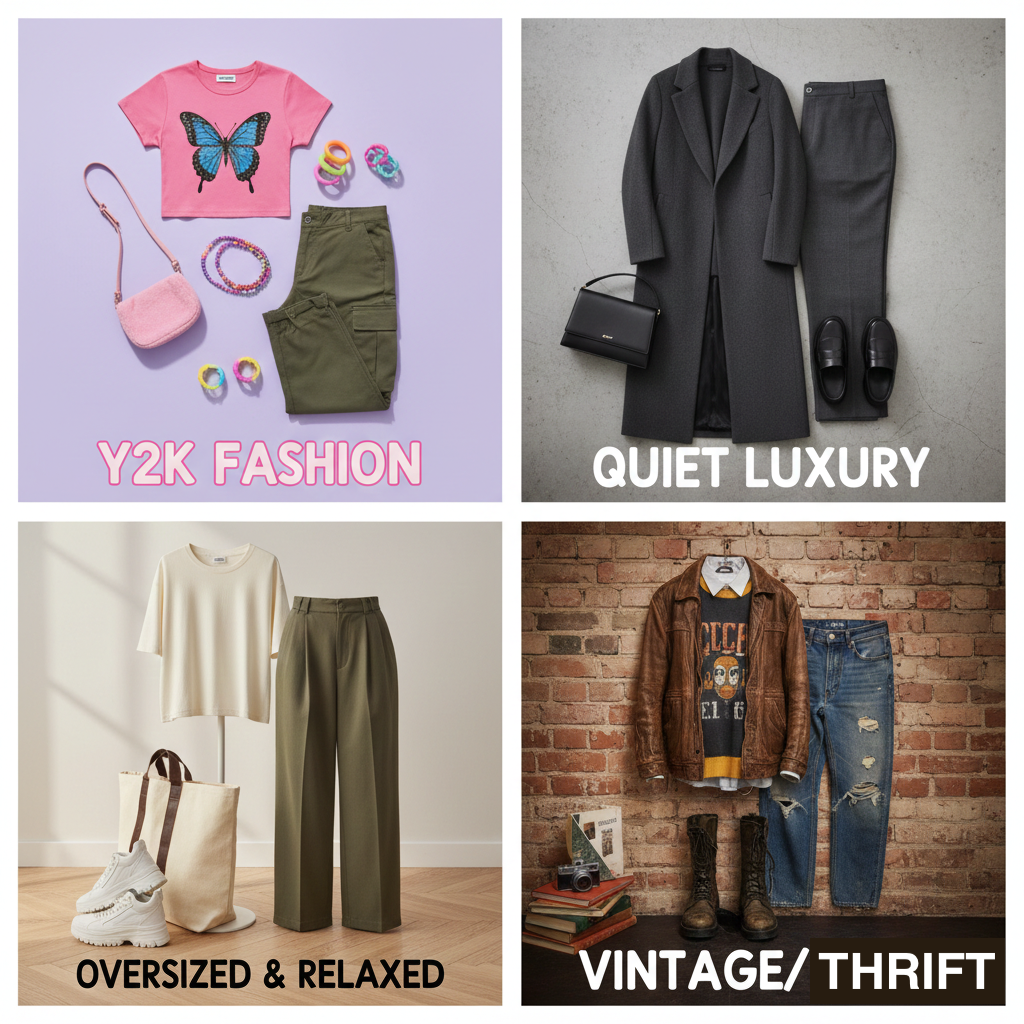 Fig. 1 - Four of the big Gen Z aesthetics right now: relaxed oversized, Y2K nostalgia, quiet luxury minimalism, and vintage thrift.
The Real Pattern Behind Gen Z Style
Underneath all the aesthetics, one thing is consistent: Gen Z dresses to express, not to impress institutions.
- Gender-fluid styling is normal, not niche
- Layering is used for experimentation, not just warmth
- Comfort is a baseline, not a bonus
- Social media aesthetics guide the mood, but aren’t strict rules
And importantly: most outfits are remixes of pieces they already own.
That’s where an outfit planner like Outfint becomes quietly powerful. Instead of trying to remember every combo in your head (impossible), you:
- Save outfits by aesthetic (Y2K, quiet luxury, vintage, etc.)
- See which pieces you actually wear versus just photograph
- Rotate statement pieces more often instead of letting them sit
Where Does Gen Z Shop for Clothes?
Gen Z doesn’t shop in a straight line. Discovery happens in one place, the purchase in another, and the outfit somewhere completely different.
1. Fast Fashion Giants
High-street brands are still the default for quick trend hits:
- Zara
- H&M
- Uniqlo
- Urban Outfitters
They’re accessible, constantly refreshed, and good for testing a trend you might not commit to long term.
2. Resale & Thrift Platforms
Resale isn’t just about saving money; it’s about not looking like everyone else.
- Depop
- Vinted
- Local vintage and charity shops
Gen Z cares about uniqueness, sustainability, and the story behind a piece just as much as the label.
3. Online-First & Social Commerce
The pipeline is usually:
- See it on TikTok or Instagram
- Click through or search later
- Buy it on a marketplace or brand site
Platforms like ASOS and Shein move fast and wide. The algorithm becomes an unofficial stylist, which is great until it turns your wishlists into a full-time job.
Why an Outfit Planner Matters More Than Ever
Here’s the uncomfortable bit:
Gen Z sees more fashion in one week than previous generations saw in a year.
That much input leads to:
- Decision fatigue (too many options, zero clarity)
- Overbuying (because “this will finally fix my wardrobe”)
- Trend-chasing (micro-aesthetic hopping)
- The classic “nothing to wear” moment in front of a full rail
An outfit planner flips that script.
Instead of:
- Reacting to every trend in your feed
- Panic-buying outfits for single events
- Forgetting what you already own
You start to:
- Digitise your wardrobe so you can actually see it
- Plan looks for specific events, trips, and vibes in advance
- Track repeat usage (what you truly wear vs. what you think you wear)
- Build aesthetic-based outfit collections instead of random one-offs
- Shop intentionally to fill real gaps, not imagined ones
The result: less chaos, more outfits, and a much calmer relationship with your closet (and your bank account).
How to Use an Outfit Planner for Gen Z Trends
If you want to lean into Gen Z fashion without needing a new wardrobe every month, here’s a simple framework:
- Pick your main aesthetics. Maybe it’s Y2K + quiet luxury, or vintage + oversized streetwear. Two or three is plenty.
- Audit what’s already in your wardrobe. Separate pieces by aesthetic and category (tops, bottoms, outerwear, footwear, accessories).
- Build 5–10 go-to outfits per aesthetic. Save them in your outfit planner with photos and tags (“uni”, “night out”, “office”, “date”).
- Track what you actually wear. After a week or two, patterns emerge: your real uniform vs. fantasy self.
- Only shop to solve specific problems. For example: “I have three great tops for quiet luxury, but no shoes that match” is a better reason to buy than “the algorithm showed me a beige coat again.”
The goal isn’t more clothes. It’s better combinations of the right ones.
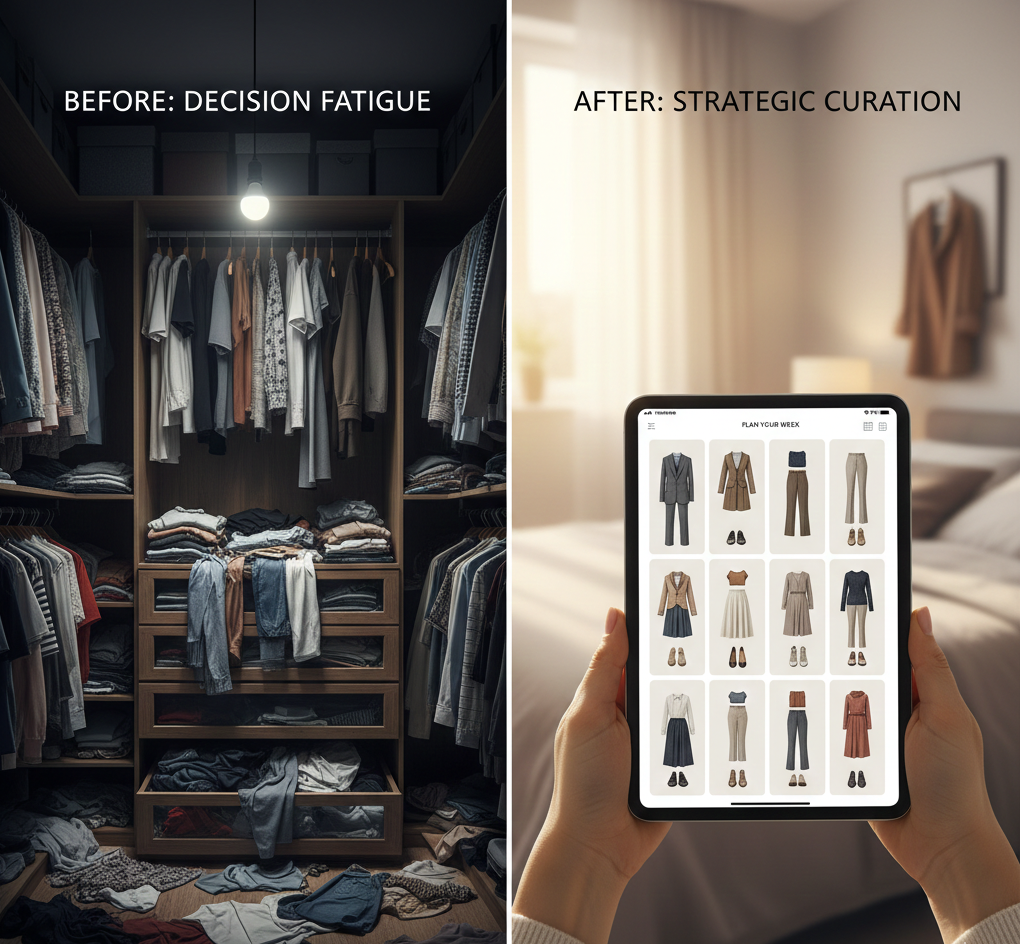 Fig. 2 - From wardrobe audit to planned outfits: how an outfit planner turns a chaotic closet into a curated, repeatable system.
Final Takeaway
Gen Z style is expressive, fast-evolving, and very online. Trends move quickly, but your wardrobe doesn’t have to chase all of them.
With a smart outfit planner, you can:
- Translate trends into outfits that work with what you already own
- Reuse your favourite pieces in new ways instead of replacing them
- Reduce waste and avoid regret buys
- Dress with more confidence and less panic
- Save time every morning (and brain space you can spend on literally anything else)
You don’t need a bigger wardrobe. You need a clearer plan for the one you already have.
FAQ: Outfit Planner and Gen Z Trends
Short answers to the questions we hear most from readers using an outfit planner.
Is an outfit planner worth it for Gen Z style?
Yes. Gen Z fashion changes quickly, and an outfit planner helps you remix what you already own instead of buying a new look for every micro-trend.
What should I track in an outfit planner?
Start with categories (tops, bottoms, outerwear, shoes), aesthetics (Y2K, quiet luxury, vintage), and use-cases (uni, work, night out). Then track which combinations you actually wear each week.
How often should I update my outfit planner?
Weekly is enough for most people. A short weekly review helps you spot wardrobe gaps, avoid duplicate purchases, and keep trend-inspired outfits realistic.